Built-Environment Ecological Impact (BEEI)
Built Environment Ethnographic Intelligence
A building’s health is dictated by the sky above it. AEBEM analyzes the Hylodynamic Stressors of the local microclimate. We map humidity inversions in riparian zones (Z4), diesel particulate loading in industrial corridors (Z2), and salt crystallization in coastal environments. By understanding the refractive index of the atmosphere and the specific "wet-time" of the substrate, we can predict re-soiling rates and calibrate our maintenance cycles to intervene before permanent damage occurs.
Abstract: The Anthrotectonic Rift
The BEEI framework rigorously bridges the psychological, cultural, and ecological dimensions of the built environment, operating directly at the site of the Anthrotectonic Rift—the profound friction point between human intention, which seeks order and permanence, and thermodynamic decay, which drives entropy. This discipline actively audits how maintenance operations impact the local biosphere, recognizing that buildings are complex cultural organisms whose physical condition mirrors the social and psychological state of their inhabitants. Maintenance is analysed not as a mechanical task, but as a critical ritual of homeostasis designed to reduce cognitive load, restore symbolic identity, and harmonize the structure with its surrounding, highly sensitive ecology.
Context: Biogenic Fallout
Structures that are heavily integrated into natural landscapes are continuously subjected to biogenic fallout, a category that includes pine sap, dense pollen loads, leaf litter, and honeydew secreted by aphids. While entirely natural in origin, these substances are highly destructive to anthropogenic materials. Tree sap and honeydew can rapidly polymerize under intense UV radiation, creating hard, acidic etches on float glass and various polymer substrates. Culturally, this visible accumulation triggers "Aesthetic Anxiety" and "Prestige Anxiety," aggressively communicating visual disorder and systemic neglect to the building's occupants and observers. Consequently, the urgent drive to eradicate this fallout frequently leads to the deployment of highly toxic, aggressive chemicals that severely destabilize the surrounding environment.
The Science: The Mycorrhizal Network
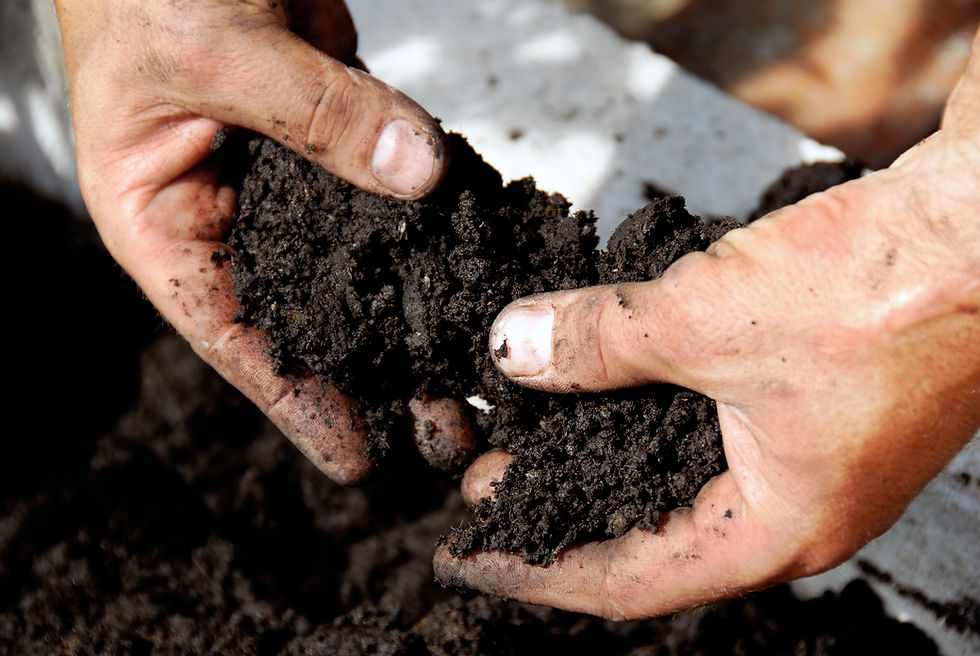
The true science of BEEI extends far beyond the vertical facade to the critical interface between the building's foundation and the subterranean ecosystem. Local root systems and the highly delicate mycorrhizal networks within the soil are exceptionally sensitive to sudden pH fluctuations caused by the unregulated runoff of sodium hypochlorite, acidic detergents, or heavy surfactants used in traditional cleaning. The chemical disruption of these vital soil microbiomes severely diminishes the health of adjacent flora, demonstrating that an aggressive attempt to impose visual order on a building can inadvertently generate catastrophic entropy in the immediate natural ecosystem. The chemical ecology of the asset is thus inextricably linked to the biological health of the surrounding earth.
Protocol: Prophylactic Neutralization
To fiercely protect both the psychological human need for cleanliness and the biological integrity of the soil, BEEI dictates the strict operational protocol of Prophylactic Neutralization. This scientific standard requires the utilization of "soft" rinsing cycles and carefully pH-buffered interventions designed to gently solubilize and remove biogenic acids well before they harden into the substrate. Furthermore, any chemical application must be strictly paired with rigorous runoff management—such as extensive bunding and immediate chemical neutralization using agents like sodium thiosulfate to neutralize hypochlorite—ensuring that the effluent entering the soil or drainage system is rendered entirely inert and safe.
Application: The Greensand Ridge (Z3)
The application of this ecological framework is particularly critical in calcareous environments, such as the Greensand Ridge (Z3), where the native geology is highly permeable and the surrounding flora is evolutionarily adapted to specific, fragile alkaline balances. In these highly sensitive zones, the unchecked runoff of highly acidic facade treatments would rapidly and irreversibly alter the soil chemistry, devastating the local biosphere. By strictly auditing the ecological impact of every intervention, Scholar-Technicians deploy highly calibrated protocols that directly address the specific human anxieties regarding building decay while operating strictly within the precise chemical tolerances required to sustain the regional ecology.
Conclusion: Regenerative Maintenance
Regenerative maintenance represents the ultimate synthesis of human cultural needs and ecological preservation. By harmonizing the built environment with the natural one, BEEI effectively transforms maintenance from a destructive, chemically extractive process into a supportive, deeply ecological function. The framework ensures that the specific rituals utilized to restore social signalling and structural prestige do not inflict any collateral damage on the biosphere. Ultimately, stewardship becomes an act of profound environmental responsibility, securing the symbolic identity of the asset while actively safeguarding the living networks that surround it.