top of page

Shining Windows

01604 263189

Virus Particle Closeup

Forensic
Ecology
Standards

Forensic ecology standards refer to the established protocols, best practices, and quality control measures for analyzing environmental evidence—such as soil, pollen, insects, and plant materials—to link suspects, victims, and objects to specific locations. These standards are designed to ensure scientific rigor, reliability, and admissibility in court, often operating within broader forensic science frameworks.

Environmental Operating Framework

The preservation of the built environment must not come at the cost of the natural environment. Our operating framework is defined by a refusal to rely on the chemical suspension of dirt (surfactants). Instead, we utilize the laws of thermodynamics and fluid dynamics to achieve Forensic Substrate Restoration.

This framework treats "cleaning" as a process of ionic exchange rather than abrasive friction or chemical bleaching. By engineering water to a state of energetic disequilibrium, we create a solvent capable of removing hydrophobic traffic films and biological accretion without altering the pH of the surrounding water table.

Read White Paper

The Science

Environmental Operating Framework

The preservation of the built environment must not come at the cost of the natural environment. Our operating framework is defined by a refusal to rely on the chemical suspension of dirt (surfactants). Instead, we utilize the laws of thermodynamics and fluid dynamics to achieve Forensic Substrate Restoration. This framework treats "cleaning" as a process of ionic exchange rather than abrasive friction or chemical bleaching. By engineering water to a state of energetic disequilibrium, we create a solvent capable of removing hydrophobic traffic films and biological accretion without altering the pH of the surrounding water table.

Is the study of how biological organisms and chemical agents interact with man made substrates.

Molecular visualization of an extracellular protein matrix within the BEMCE (Built-Environment Microbial & Chemical Ecology) framework, demonstrating the enzymatic anchoring of bacterial biofilms to porous architectural substrates.

BEMCE

Built Environment
Microbial & Chemical Ecology

Read about BEMCE
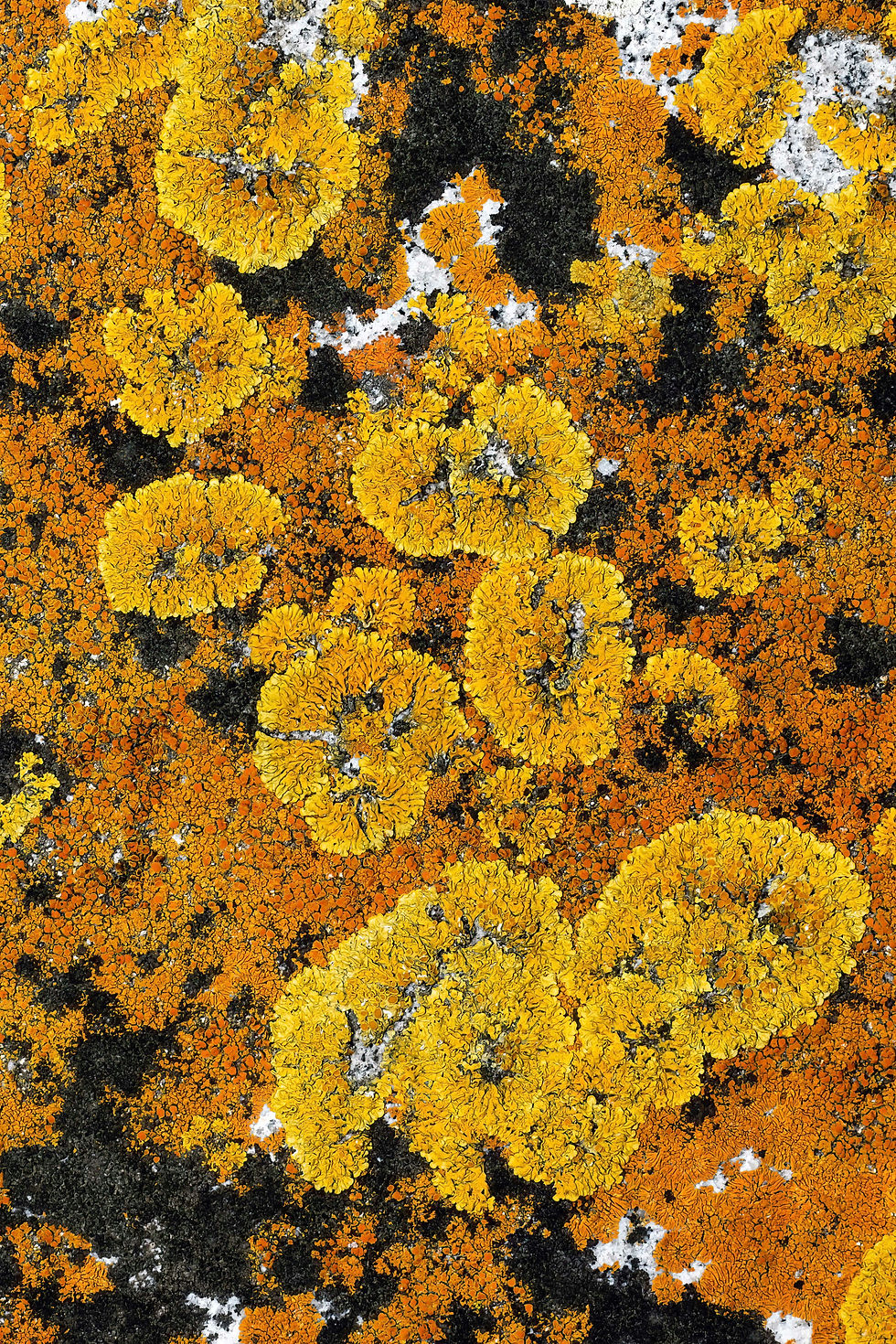
Field execution of BEEI (Built-Environment Ecological Impact) protocols, identifying biogenic fallout vectors and mapping the organic succession of lichenized fungi across the anthrotectonic interface.

BEEI

Built Environment Ethnographic Intelligence

Read about BEEI
Atmospheric diffraction event illustrating AEBEM meteorological volatility, indicating high-altitude humidity inversions and the refractive index of suspended hydro-meteorological particulates affecting localized substrate wet-time.

AEBEM

Atmospheric Entanglement of Built Environment Microbial Ecology

Read about AEBEM
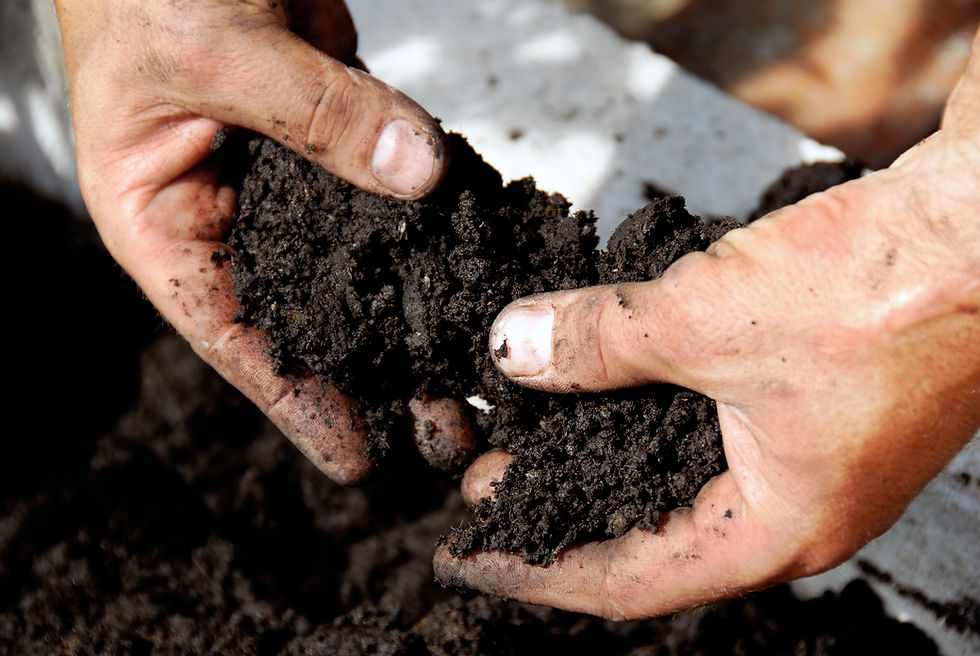
Demonstration of NEMCE (Natural Environment Microbial & Chemical Ecology) circular economy protocols, highlighting the mitigation of synthetic polymer degradation and the diversion of waste streams to protect local riparian soil microbiomes.

NEMCE

Novelization of Ecological Matter in Microbiological Environments

Read about NEMCE
Scientific and Mathmatical Cleaning 50.webp

The Ground Truth

Understanding Everyday Surface Contaminants

While our commercial protocols rely on advanced microbial ecology, the everyday threats to your home's exterior are often familiar. Here is the reality behind the common elements attacking your property, why traditional cleaning fails, and how we manage them to save you time, money, and structural risk.

Is the study of how biological organisms and chemical agents interact with man made substrates.
Pure Water H2O

Discover why traditional window cleaning damages your fenestration. We use 0.00ppm pure water for streak-free residential and commercial glass cleaning.

Pure Water H2O

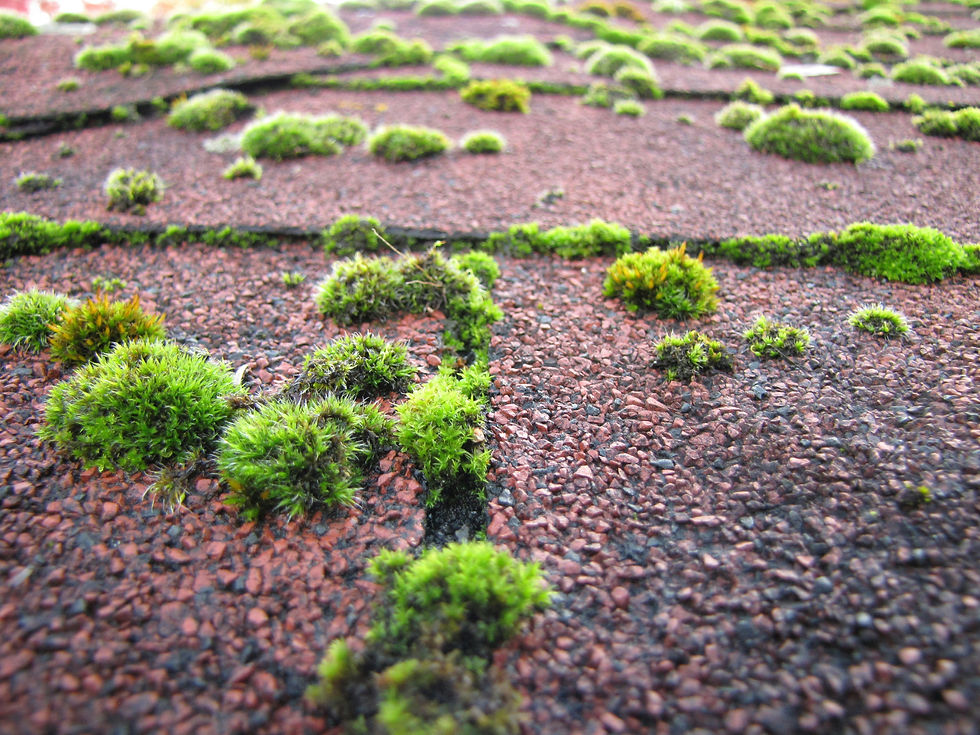
Moss

Moss causes severe freeze-thaw damage to roofs and groundworks. Learn how our forensic removal protects your property from water ingress and decay.

Moss

Algae

Green and red algae cause permanent staining on modern render and cladding. Discover our soft washing solutions for commercial and residential properties.

Algae

Mould & Mildew

Black mould isn't just unsightly; it actively digests window seals and uPVC. Learn how we safely eradicate fungal decay to protect your home.

Mould & Mildew

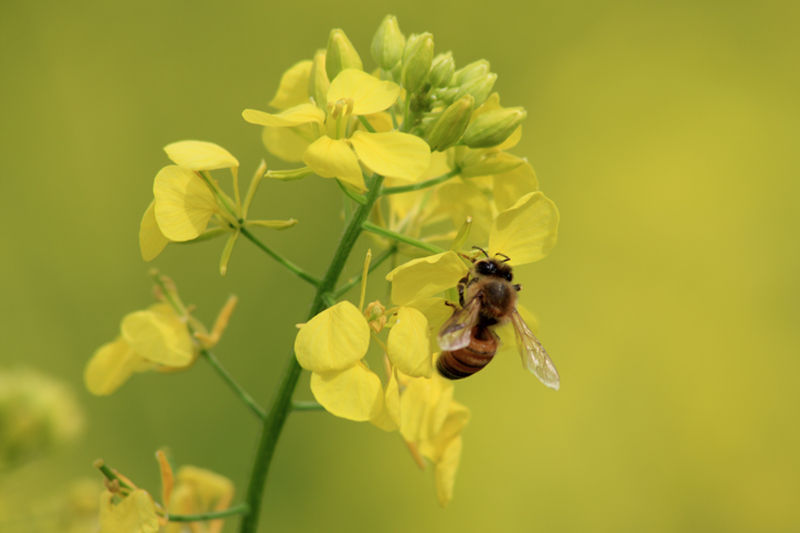
Pollen & Sap

Tree sap and summer pollen create a sticky, acidic haze on solar panels and glass. See how our pure water systems neutralize biogenic fallout.

Pollen & Sap

CODEX HUB

Understanding Everyday Surface Contaminants

While our commercial protocols rely on advanced microbial ecology, the everyday threats to your home's exterior are often familiar. Here is the reality behind the common elements attacking your property, why traditional cleaning fails, and how we manage them to save you time, money, and structural risk.

Is the study of how biological organisms and chemical agents interact with man made substrates.

Algal Taxonomy

A-Code

Classification of photosynthetic biofilms, focusing on EPS (Extracellular Polymeric Substances) matrices and their degradative impact on porous architectural renders.

Algal Taxonomy

Atmospheric Triggers

AT-Code

Monitoring the exact humidity, UV radiation, and temperature thresholds that catalyze dormant spores into active, colonizing biofilms.

Atmospheric Triggers

Fungal Taxonomy

F-Code

Analysis of kingdom-level fungal colonizers, specializing in the enzymatic digestion of plasticizers in modern uPVC and silicone seals.

Fungal Taxonomy

Lichen Taxonomy

L-Code

Categorization of complex symbiotic crusts, particularly calcicole (lime-loving) species that chemically etch into heritage stone and limestone.

Lichen Taxonomy

Material Substrates

M-Code

The definitive catalog of anthropogenic cliff-faces: mapping the porosity and vulnerability indices of K-Rend, monocouche, sandstone, and glass.

Material Substrates

Moss Taxonomy

MS-Code

Mapping the rhizoid anchoring systems of mosses and calculating the exponential hydraulic loading that drives catastrophic freeze-thaw cryoclasty.

Moss Taxonomy

Protocol Library

P-Code

The deterministic intervention ledger. From biostatic soft-washing and DDAC residual protection to superheated Doff steam sterilization.

Protocol Library

Quantum Diagnostics

Q-Code

Exploration of advanced photocatalytic coatings (TiO2) and electron-hole pair reactions that create self-sterilizing, super-hydrophilic architectural facades.

Quantum Diagnostics

String Diagnostics

S-Code

Sequential predictive algorithms that calculate the specific 'Entropic Drift' (decay rate) of a structure based on intersecting local variables.

String Diagnostics

Synthetic Interaction

SIM-Code

Analyzing the devastating synergies between natural organisms and man-made pollutants, such as diesel particulates scaffolding algal growth.

Synthetic Interaction

Atmospheric Vectors

V-Code

Modeling the aerodynamic 'biological highways' that deliver spores and organic payloads to structural impact zones (Venturi effects, stagnation zones).

Atmospheric Vectors

Geological Registry

Z-Code

Highly localized mapping of environmental pathologies. Defining the Ferrous Zone (ironstone oxide), Argillaceous Zone (clay static), and Calcareous Zone (chalk).

Geological Registry
bottom of page