
M-05 Lignocellulosic Timber
P-04 Biocidal Extracellular Lysis
Fascia & Soffit Restoration
DOFF thermal system, timber moisture meter, fungal test kit, traditional lime wash, heritage-approve... Each piece of equipment is calibrated for substrate-specific requirements and material preservation protocols. The ensemble creates a complete system ensuring contaminant removal, operator safety, substrate protection, and measurable outcome achievement without collateral damage.
Traditional timber fascia restoration utilizing targeted fungal intervention whi... This endpoint utilizes M-05 Lignocellulosic Timber substrate protocols with P-04 Biocidal Extracellular Lysis treatment specifications calibrated for material vulnerability profile and measurable outcome restoration. The substrate requires protection from chemical excess and kinetic damage whilst ensuring complete biological colonization removal and optical/structural integrity preservation.
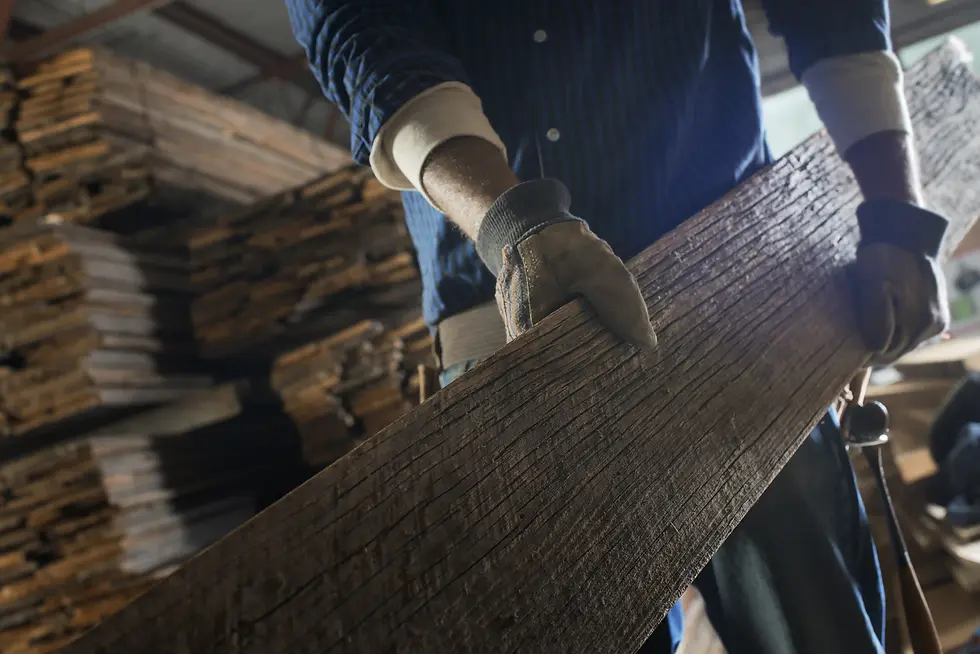
Your heritage timber fascia represents critical building envelope protection while embodying traditional craftsmanship and architectural character, but biological contamination and environmental exposure can compromise both structural integrity and historical authenticity. When heritage fascia develops biological growth, structural deterioration, or weather protection failures, it\'s not just conservation concerns --- the building envelope integrity and cultural heritage are being systematically compromised through processes that can affect everything from weather protection to architectural authenticity.
Professional restoration using heritage timber science can eliminate contamination and restore both protective function and historical character when intervention occurs before irreversible damage.
Our P-27 Heritage Timber Fascia Restoration system addresses your historic roof edge systems using protocols specifically designed for traditional timber conservation environments. No structural damage, no authenticity compromise, no envelope failure --- just scientifically calibrated restoration that protects your heritage investment while maintaining the weather protection essential for building preservation and conservation requirements.
Scheduling accommodates heritage building requirements with conservation-sensitive protocols minimizing disruption. Whether you manage listed buildings, period properties, heritage estates, or culturally significant structures, this service delivers comprehensive envelope restoration while ensuring long-term preservation across your heritage timber fascia installations.
Quick Index:
This article covers:
Cross-Domain Threat Matrix --- environmental forces affecting
Core Scientific Principles --- why traditional timber fails and
What This Means in Practice --- immediate implications for building
Operational Methodology (P-27) --- heritage timber fascia
Equipment Specifications --- specialized tools for conservation
Risk Assessment & Quality Standards --- protecting envelope function
Connecting Ecologies --- how timber fascia integrates with heritage
Environmental Compliance --- sustainable heritage restoration and
Digital Integration --- envelope monitoring and heritage
Technical Glossary --- key heritage timber and restoration terms
Frequently Asked Questions --- practical answers for heritage
Cross-Domain Active Matrix
Active Domains: G-29 Heritage Roof Edge Systems \| M-27 Traditional Timber Substrates \| F-48 Wood-Degrading Heritage Networks \| MS-24 Traditional Joint Infiltration \| C-25 Heritage Chemical Exposure \| TD-23 Traditional Timber Cycling \| At-25 Heritage Weather Loading
Heritage Timber Fascia Restoration: Science, Methods, Forensic Standards, Ecologies & Asset Stewardship
Overview & Definition
Heritage timber fascia restoration addresses the complex degradation patterns affecting M-27 Traditional Timber Substrates in culturally significant building envelope environments where conservation requirements, weather protection, and structural integrity combine to create unique preservation challenges. Unlike modern timber systems, heritage fascia faces conservation constraints while maintaining essential building envelope functions using traditional construction methods and materials.
Heritage timber fascia systems function within G-29 heritage roof edge configurations where historical preservation, weather management, and structural performance interact with conservation planning requirements and traditional building techniques. When biological contamination compromises weather protection or environmental degradation affects historical authenticity, entire heritage buildings can experience envelope failures affecting both cultural significance and building habitability.
What This Means in Practice
Your heritage timber fascia isn\'t just experiencing surface weathering --- the building envelope protection is being systematically compromised through biological processes that degrade traditional timber, environmental stress that affects historical joinery, and conservation challenges that can impact both weather protection and heritage authenticity. This degradation affects both immediate building protection and long-term cultural preservation.
F-48 wood-degrading heritage networks establish biological systems specialized for traditional timber degradation, utilizing historical wood species and traditional treatment vulnerabilities while creating moisture retention zones that accelerate structural deterioration and compromise building envelope integrity essential for heritage building preservation. When combined with MS-24 traditional joint infiltration from historical construction techniques, the resulting environment creates optimal conditions for biological establishment and progressive envelope failure.
Core Scientific Principles
Domain I: Material & Structural Foundation
M-27 Traditional Timber Substrates in heritage applications include historical wood species and traditional timber preparation methods that create unique preservation challenges and structural characteristics. However, G-29 roof edge positioning creates vulnerabilities where modern environmental stress exceeds traditional design parameters, particularly when historical treatments fail or traditional joinery creates optimal biological growth conditions.
The T-28 traditional joinery systems typical of heritage installations create specific failure points where traditional construction methods and environmental exposure combine with biological establishment, resulting in progressive envelope degradation that affects building protection while compromising conservation requirements.
Domain II: Biological Threat Architecture
F-48 Serpula lacrymans (heritage dry rot) and F-49 Coniophora heritage demonstrate particular effectiveness at degrading traditional timber species through specialized enzyme systems adapted to historical wood compositions, creating comprehensive structural degradation while establishing moisture-retentive conditions that accelerate building envelope failure and heritage authenticity loss.
A-23 traditional timber algae establishment on heritage surfaces creates biological matrices that retain moisture while contributing organic acids supporting bacterial establishment. L-18 heritage timber lichen species utilize specialized metabolic pathways that extract nutrients from traditional timber while producing acids that accelerate heritage material degradation and weather protection failure.
Domain III: Atmospheric & Environmental Vectors
C-25 heritage chemical exposure from modern atmospheric contamination and traditional building treatments creates chemical environments that exceed heritage material resistance while accelerating biological establishment through traditional timber vulnerabilities. TD-23 traditional timber cycling from seasonal environmental variation generates thermal stress that exploits traditional construction techniques.
At-25 heritage weather loading from traditional building exposure patterns creates structural stress that exploits biological and environmental weakening while MS-24 joint infiltration creates internal environments where biological establishment affects both structural integrity and building envelope performance within conservation constraints.
Methodology & Intervention Protocols
Domain IV: Operational Science
P-27 Heritage Timber Fascia Restoration protocols utilize conservation-timber compatible formulations specifically engineered for traditional timber preservation under heritage building constraints and envelope protection requirements. Unlike modern timber treatments that compromise historical authenticity, P-27 interventions maintain conservation compliance while achieving complete biological elimination through traditional-compatible delivery systems appropriate for heritage building environments.
The methodology employs conservation-timber integrated delivery that maintains effectiveness throughout seasonal environmental cycling while preserving critical historical and envelope functions, followed by protective treatments that establish long-term biological resistance appropriate for heritage building performance and conservation planning requirements.
Equipment Deployment Specifications
Heritage timber assessment equipment with conservation and
structural certification
Conservation-appropriate restoration systems maintaining traditional
material compatibility
Traditional timber analysis equipment ensuring heritage material
preservation
Building envelope integrity testing preserving weather protection
function
Heritage authenticity verification tools maintaining conservation
requirements
Non-destructive heritage timber testing equipment preserving
structural integrity
Post-restoration envelope testing equipment verifying weather
protection and heritage compliance
Domain V: Human & Ethnographic Considerations
CA-27 heritage building envelope preservation priorities recognize that timber fascia condition directly impacts cultural significance and building protection, with conservation-appropriate restoration enabling optimal envelope performance while preserving irreplaceable heritage building elements. EI-27 heritage envelope investment considerations include maintaining traditional systems that support building habitability while ensuring heritage preservation for cultural continuity.
SE-27 heritage conservation envelope compliance requirements include maintaining fascia systems that meet conservation planning restrictions while achieving weather protection supporting heritage building preservation and occupant safety. HH-26 heritage building protection encompasses maintaining optimal building envelope performance while preserving historical authenticity and traditional building techniques.
Government Infrastructure & Compliance
Domain VI: Regulatory Framework
LR-28 heritage timber building standards require maintaining historical authenticity and envelope performance that meet conservation planning requirements and traditional building codes. CIP-27 heritage timber infrastructure supports cultural preservation through proper fascia maintenance and conservation-appropriate envelope optimization.
CNZ-27 heritage building envelope efficiency through timber restoration demonstrates environmental benefits while supporting heritage conservation and cultural sustainability through improved building envelope performance using traditional methods.
Risk Assessment & Quality Standards
Critical risk factors include heritage authenticity loss from inappropriate interventions and envelope failure compromising building protection and conservation sustainability. R-27 heritage envelope liability assessment ensures intervention maintains historical integrity while addressing envelope performance and biological contamination within conservation and structural constraints.
Quality verification requires conservation compliance confirmation, envelope protection restoration, and biological elimination verification. Heritage timber fascia restoration must comply with conservation planning requirements and heritage building envelope preservation standards.
Connecting Ecologies & System Integration
Heritage timber fascia operates within complex conservation and building protection environments where performance affects multiple cultural and envelope domains:
Primary Connections:
Heritage Timber Structure Restoration: Coordinated heritage
building intervention across traditional timber systems
Heritage Brick Thermal Restoration: Integrated heritage building
restoration requiring compatible traditional material protocols
Commercial Fascia Board Restoration: Technical approaches
adapted from modern fascia protocols for heritage requirements
Cast Iron Heritage Gutter Restoration: Heritage roof edge
coordination requiring compatible traditional material restoration
Secondary Connections:
Heritage Orangery Restoration: Heritage building envelope
coordination affecting specialized heritage structures
Slate Roof Bio-Neutralization: Heritage building envelope
integration requiring coordinated traditional material preservation
Surface Water Management Systems: Heritage site drainage
affecting timber fascia moisture exposure and preservation
Environmental Discharge & Compliance
D-23 heritage timber compatibility ensures that P-27 restoration maintains historical authenticity and environmental safety while achieving biological elimination appropriate for heritage timber fascia requirements. The conservation-compatible formulations preserve traditional materials while supporting heritage building envelope optimization and cultural preservation objectives.
Environmental integration ensures that restoration processes support heritage conservation while maintaining envelope performance and traditional building protection within conservation planning constraints.
Future Applications & Digital Integration
Domain VII: Semantic Architecture
DI-27 heritage envelope monitoring enables assessment of envelope performance and conservation conditions through heritage-appropriate sensors that track weather protection indicators while maintaining historical integrity. DSP-27 predictive heritage envelope analytics optimize intervention timing based on conservation requirements, envelope performance needs, and biological establishment patterns.
Technical Glossary
Heritage Roof Edge Systems: Traditional timber installations requiring conservation-appropriate envelope restoration\ Wood-Degrading Heritage Networks: Biological systems specialized for traditional timber species\ Traditional Joint Infiltration: Heritage construction vulnerabilities affecting envelope performance\ Traditional Joinery Systems: Historical construction methods creating preservation challenges\ Heritage Weather Loading: Traditional building exposure patterns affecting timber performance
Frequently Asked Questions
Why do heritage timber fascia systems develop envelope problems despite traditional construction quality?
G-29 heritage positioning exposes traditional materials to modern environmental stress exceeding traditional design parameters while F-48 heritage biological establishment exploits traditional timber vulnerabilities. C-25 chemical exposure and traditional joint infiltration create optimal conditions for biological growth affecting both envelope performance and conservation authenticity. P-27 protocols restore envelope function within heritage constraints.
Can heritage timber fascia envelope performance be improved without compromising historical authenticity?
P-27 Heritage Timber Fascia Restoration achieves envelope optimization through conservation-compatible protocols that restore weather protection while preserving traditional materials and construction authenticity. Heritage envelope assessment determines restoration approach balancing conservation requirements with building protection needs.
How often should heritage timber fascia receive restoration within conservation planning constraints?
Conservation monitoring and envelope performance tracking suggest evaluation frequency based on heritage building requirements, traditional material condition, and F-48 biological establishment patterns. Heritage preservation and building protection determine optimal restoration timing balancing cultural and envelope priorities.
What heritage timber fascia problems indicate biological contamination affecting conservation and envelope performance?
Envelope protection degradation, traditional material deterioration, conservation authenticity concerns, and building protection failure suggest F-48 heritage bacterial establishment compromising both conservation and envelope performance. Traditional timber degradation indicates biological contamination requiring P-27 intervention within heritage and envelope constraints.
Can heritage timber fascia conservation and envelope requirements be maintained during restoration?
P-27 restoration preserves both heritage conservation compliance and envelope functionality through approved traditional protocols that eliminate biological contamination while maintaining historical authenticity and building protection performance. Conservation-envelope assessment ensures restoration maintains both heritage and building protection requirements.
Ready for Heritage Envelope Assessment? Optimize your heritage timber fascia through scientifically-calibrated restoration that maintains historical authenticity while ensuring the weather protection and conservation compliance essential for sustainable heritage building preservation.
in the Exterior Cleaning Industry
Learn with us as we explain our AHT and how it covers and acts as a control module and protocol matrix for the following new sciences, imagined , discovered and written by Matthew Kenneth McDaid.
Is the study of how biological organisms and chemical agents interact with man made substrates.



Prices
Online
Book
Online
Appointments
Online
Discounts
Available
One-Off Services
Available
Family
Business
Mobile
Friendly Online
Live
Chat
Bridging microbial science with practical architectural stewardship.
This definitive encyclopedia translates complex built-environment microbiology into actionable intelligence. Explore the exact biological and chemical vectors attacking your property—from Gloeocapsa magma to calcicole lichens. Understand their microscopic behaviors, environmental triggers, and the precise forensic protocols required to neutralize them.

BEMCE
Built Environment
Microbial & Chemical Ecology
BEMCE
Built Environment
Microbial & Chemical Ecology
BEMCE
Built Environment
Microbial & Chemical Ecology